Where we are going...
leaving Sept 25th and landing Sept 26th
--
- Sept 30
bullet train to Onomichi
to meet up with bike group...Sept 30th
to
October 9th
Cycling adventure
spots
- Osaka Street Food Tour
- Ultimate Osaka Walking Tour
- Nara Half Day Trip Walking Tour
- Kyoto Private Car Tour
- Onomichi
- Setoda
- Shimanami Kaidō
- Kurushima Bridge we ride across
- Shikoku Island
- Imabari
- Shikoku’s picturesque 88 temples
- Matsuyama
- Matsuyama Castle
- Dōgo Onsen Hot Springs
- Uchiko
- Japanese washi paper factory
- ‘Izakaya’
- Seiyo
- Uwajima
- Uwajima Castle
- ‘Yodo line’
- Tosa-Kure
- Chikurin-ji Temple
- Kochi
next stop - Hiroshima
- Hotel Intergate Hiroshima
- Hiroshima
- Miyajima
Fall 2026
Osaka and Kyoto exploration
Bicycling Seto Inland Sea and Shikoku
...then Hiroshima
Oh what to do in Japan?
PDT is behind JST by 16 hours
UNESCO World Heritage
Buddhist Monuments in the Horyu-ji Area
Himeji-jo
Shirakami-Sanchi
Yakushima
Historic Monuments of Ancient Kyoto (Kyoto, Uji and Otsu Cities)
Historic Villages of Shirakawa-go and Gokayama
Hiroshima Peace Memorial (Genbaku Dome)
Itsukushima Shinto Shrine
Historic Monuments of Ancient Nara
Shrines and Temples of Nikko
Gusuku Sites and Related Properties of the Kingdom of Ryukyu
Sacred Sites and Pilgrimage Routes in the Kii Mountain Range
Shiretoko
Iwami Ginzan Silver Mine and its Cultural Landscape
Hiraizumi – Temples, Gardens and Archaeological Sites Representing the Buddhist Pure Land
Ogasawara Islands
Fujisan, sacred place and source of artistic inspiration
Tomioka Silk Mill and Related Sites
Sites of Japan’s Meiji Industrial Revolution: Iron and Steel, Shipbuilding and Coal Mining
The Architectural Work of Le Corbusier, an Outstanding Contribution to the Modern Movement *
Sacred Island of Okinoshima and Associated Sites in the Munakata Region
Hidden Christian Sites in the Nagasaki Region
Mozu-Furuichi Kofun Group: Mounded Tombs of Ancient Japan
Amami-Oshima Island, Tokunoshima Island, Northern part of Okinawa Island, and Iriomote Island
Jomon Prehistoric Sites in Northern Japan
Sado Island Gold Mines
Ancient Capitals of Asuka and Fujiwara
How knowing about 'Shikinai-sha' makes visiting shrines 10 times more interesting and will have to check out maybe start collecting goshuin (shrine seals)!
Osaka - Sept 26-27
*** Saturday, Sept 26th ***in the morning, exploration of Osaka
and then at... 6:30 PM ... Osaka Street Food Tour: 17 Delicious Dishes at 4 Local Eateries
Meeting point: MEGA Don Quijote Shinsekai, Osaka, Japan. We will meet in front of MEGA Don Quijote Shinsekai. Your guide will be holding a sign that says “Osaka Food Walking Tour”. You’ll see a big penguin sign on the building, so it’s easy to find. There is also a FamilyMart right next to the entrance.
Shinsekai – Retro Streets & Local AtmosphereStep into the nostalgic streets of Shinsekai, one of Osaka’s most iconic neighborhoods. Known for its neon lights, giant lanterns, and lively atmosphere, this area offers a glimpse into the city’s past. As we walk through its vibrant streets, you’ll discover hidden spots, local stories, and the unique charm that makes Shinsekai a favorite among locals.
Tsutenkaku – Osaka’s Iconic Tower & Food Origins
We will pass by this towering symbol of Shinsekai and a beloved landmark of Osaka. As we explore the surrounding streets, hear the story of how this district was shaped over a century ago as a lively entertainment area inspired by Western influences. This neighborhood is also widely known as the birthplace of kushikatsu, where Osaka’s deep-fried food culture first took root.
*** Sunday, Sept 27th @ 10:00 AM
Ultimate Osaka Walking Tour: Castle, Dotonbori, Gems & Lunch
Meeting point: Ōsakajōkōen Station, Osaka, Osaka, Japan Please meet in front of the 7-11 kiosk inside of Osakajokoen station on the JR Osaka Loop Line. This is different from JR Osaka station.
Osaka Castle - played an important role in the unification of Japan during the samurai era of the sixteenth century. The castle grounds, which cover approximately 61,000 square metres (15 acres), contain the following thirteen structures that were denoted as "important cultural assets" by the Japanese government:Ote-mon Gate; Sakura-mon Gate; Ichiban-yagura Turret; Inui-yagura Turret; Rokuban-yagura Turret; Sengan Turret; Tamon Turret; Kinmeisui Well; Kinzo Storehouse; Enshogura Gunpowder Magazine; Three sections of 'dobei' mud-and-plaster wall, all located around the Otemon Gate.
America Mura or Amerika-mura - or Amemura to the locals - is a warren of narrow streets. Originally called Sumiyamachi in the 1960s, the area was filled with warehouses and lumber yards. In the 1970s, these spaces were converted into shops selling used clothes, records, and imported goods from the U.S., giving rise to the “American Village” name
Shinsaibashi-suji Shopping Street - A covered shopping street which has been Osaka’s most important shopping area for 400 years with hundreds of shops lining this 600-metre long street.
Dotonbori Tsuribori - One of the main tourist destinations in Osaka, it is located along the Dōtonbori canal, offering a mix of neon-lit streets, street food, and lively nightlife..
Hozenji Yokocho - A hard to find, narrow alleyway that has preserved the atmosphere of old Japan with its traditional lanterns and cobblestone paths.
Hozen-ji Temple - A small Buddhist temple located just off Dotonbori. Built in the 17th century and is dedicated to Fudo Myoo, one of the five wisdom kings in Buddhism.
Sennichimae Doguyasuji Shopping Street - Osaka’s famous kitchenware street, where chefs and food lovers shop for everything from handcrafted knives to restaurant tools and unique cooking items.
Nipponbashi Denden Town - a vibrant area filled with anime, manga, gaming, collectibles, and unique shops that showcase the city’s modern otaku culture and hidden treasures.
Kuromon Market - It is also known as the “Gastronome” or “Osaka’s Kitchen” and has been around for over 200 years. The market is known for its fresh seafood, meat, and produce. See some of the finest seafood in Japan both prepped and eaten.
***In the evening, possibly finding someplace special for dinner.
Kyoto - Sept 28-29
*** Monday, Sept 28th
• 9:00 AM
Nara Half Day Trip Walking Tour
Meeting point: Statue of Gyoki-bosatsu, Nara, Nara, Japan and Kintetsu Nara Station
In front of the Gyoki Bosatsu statue near Exit 2 or East Exit of Kintetsu Nara Station. Please don’t go JR Nara station, you need to be at Kintetsu Nara Station. It takes 10 minutes to get to Kintetsu Nara station from JR Nara station. The following is a list of places to see. Kofuku-ji Temple - We will be in the iconic Kofuku-ji Temple , renowned for its stunning five-story pagoda. This ornately carved pagoda was built by the Fujiwara clan in 730. Today it is an iconic historical landmark of Nara.
Todai-ji Temple - Explore Todai-ji Temple Main Hall and Nandaimon. You will be greeted by two imposing guardian statues called Kongorikishi. Beyond them is the Great Buddha, a sight that never ceases to fascinate visitors. During this tour, your local guide will share fascinating stories and interesting insights into Japanese Buddhism and the significance of historical temples!
107 Zōshichō - Some lunch at a traditional Japanese restaurant in an old Japanese town!
Kasuga Grand Shrine - Explore Kasugayama Primeval Forest and Kasuga Taisha. Kasuga Taisha Shrine is located in Kasugano-cho, Nara City, Nara Prefecture. It is one of the 22 shrines in the Shikinai Shrines and one of the 22 Shinto shrines. Formerly a kanpeitai-sha, it is now an annexed shrine of the Jinja Honcho (Agency for the Promotion of Shinto Religion). The former name of the shrine was Kasuga Shrine, and the crest of the shrine is a “falling wisteria”. It is the head shrine of approximately 1,000 Kasuga shrines throughout Japan. It is registered as one of the “Cultural Properties of Ancient Nara” on UNESCO's World Heritage List.
Nara Park - Walk inside Nara Park where you can see cute wild deers. Explore the beautiful red shrine housing hundreds of lanterns!
Naramachi - head for Naramachi Nigiwai no Ie - We will check out an old Japanese townscape that is quite different from the Tokyo we know. We will walk among historical buildings and enter merchant houses to see how people used to live in this area.
*** Tuesday, Sep 29th
• 9:00 AM
Kyoto Private Car Tour with English Guide Driver (Amanohashidate)
Meeting point: Oakwood Hotel Oike Kyoto, Kyoto, Kyoto, Japan
Oh goody, this is where we are staying in Kyoto. Perfect. Our guide will come to the hotel lobby or wait for us outside of the hotel. The following is a list of the agenda for the day of places to see.
Amanohashidate - often ranked among Japan’s three most scenic views, is a natural sandbar stretching about 3.6 km across Miyazu Bay, lined with nearly 5,000 pine trees. The name means “bridge to heaven,” and from the surrounding hills, the sandbar looks like a path connecting the sky and earth. Visitors can walk, cycle, or even take a boat ride to enjoy its beauty, and the unique custom of viewing it “upside down” through your legs offers a fun and memorable perspective.
Ine no Funaya - Ine Bay and Funaya Houses are picturesque fishing village famous for its unique funaya, or boathouses. These traditional wooden houses are built directly on the water, with the first floor serving as a garage for boats and fishing equipment, and the second floor used as living quarters. The sight of over 200 funaya lined up along the bay creates a landscape unlike anywhere else in Japan. Visitors can explore the town on foot, enjoy fresh seafood, or take a boat tour for a closer look at these charming waterfront homes and the tranquil bay.
Chion-in Temple - the head temple of the Jodo sect of Buddhism, is one of Kyoto’s grandest temple complexes. It is known for its massive Sanmon Gate, the largest wooden gate in Japan, and its impressive temple grounds filled with historic halls and tranquil gardens. Chion-in offers visitors a chance to experience both the scale and spiritual depth of Japanese Buddhist culture.
Fushimi Inari-taisha Shrine - Fushimi Inari Taisha is one of Kyoto’s most iconic landmarks, best known for the breathtaking Senbon Torii, or “thousands of torii gates,” that form bright red tunnels winding through the forested slopes of Mount Inari. Dedicated to Inari, the Shinto deity of rice, prosperity, and good fortune, the shrine has long been a place of deep cultural and spiritual significance. Visitors can stroll beneath the endless rows of gates, discover smaller shrines along the paths, and admire fox statues, believed to be Inari’s messengers. Whether you visit in the daytime, when the vermilion gates shine vividly in the sun, or at night, when the pathways take on a serene and mysterious atmosphere, Fushimi Inari offers an unforgettable experience.
Arashiyama - in western Kyoto, is a scenic district known for its natural beauty and cultural landmarks. Highlights include the enchanting Bamboo Forest, the UNESCO World Heritage Tenryu-ji Temple, and the picturesque Togetsukyo Bridge, which is especially stunning during cherry blossom season and autumn foliage. Visitors can also explore the Iwatayama Monkey Park for views over Kyoto and encounters with wild monkeys, and stroll through the illuminated Kimono Forest near Arashiyama Station. With its blend of traditional shops, tea houses, and breathtaking scenery, Arashiyama is a must-visit destination in Kyoto.
Arashiyama Bamboo Forest - The Bamboo Forest in Arashiyama is a serene and magical walkway where tall bamboo stalks tower overhead, creating a peaceful and otherworldly atmosphere. It’s one of Kyoto’s most photographed and iconic natural spots.
< Tenryu-ji Temple - a UNESCO World Heritage site in Arashiyama, Kyoto, is famous for its beautifully landscaped gardens and traditional architecture. Surrounded by lush greenery and views of the nearby mountains, it offers a peaceful and culturally rich experience, reflecting the elegance of Japanese Zen temples.
Togetsukyo Bridge - spanning the Katsura River in Arashiyama, is a scenic landmark famous for its stunning views. Visitors enjoy photographing the bridge framed by cherry blossoms in spring or vibrant autumn foliage, making it one of Kyoto’s most picturesque spots.
Arashiyama Kimono Forest - located near Arashiyama Station, features hundreds of illuminated pillars wrapped in colorful kimono fabrics. This modern art installation creates a magical and photogenic walkway, especially enchanting in the evening.
Sagano Romantic Train (affectionately called the Torokko) Enjoy a scenic ride through the beautiful Hozugawa Gorge on this charming vintage train. It’s a relaxing way to experience Kyoto’s seasonal landscapes, especially stunning during cherry blossom and autumn foliage seasons.
Monkey Park Iwatayama - Climb a short mountain trail to meet wild Japanese macaques and enjoy panoramic views of Kyoto from the top. A fun and unique experience where you can observe monkeys up close in a natural setting.
Gion - Located in the heart of Kyoto, Gion is the city’s most famous traditional district, known for its geisha and maiko (apprentice geisha) culture. Stroll along Hanami-koji Street or the Shirakawa Canal to enjoy wooden teahouses, lantern-lit streets, and the timeless beauty of old Japan. You might even glimpse a maiko gracefully walking to an evening appointment.
Kinkakuji Temple - or the Golden Pavilion, was originally built in the 14th century as the retirement villa of shogun Ashikaga Yoshimitsu, and later became a Zen temple. Now a UNESCO World Heritage site, it is one of Kyoto’s most iconic landmarks. The pavilion is covered in brilliant gold leaf and is especially stunning when reflected in the calm waters of the surrounding pond. Visitors can stroll through the beautifully landscaped gardens and enjoy a timeless view that perfectly captures the elegance of traditional Japanese aesthetics.
Nishiki Market Shopping District - Discover the vibrant flavors of Kyoto at Nishiki Market, a bustling street lined with over 100 shops and stalls. Known as “Kyoto’s Kitchen”, this historic market has been serving locals and visitors for centuries. Explore a colorful array of fresh seafood, local produce, traditional sweets, pickles, and unique Kyoto specialties. Stroll through the lively aisles, sample local delicacies, and watch skilled vendors at work. Whether you’re a foodie looking for authentic tastes or simply want to experience the local culture, Nishiki Market offers a sensory journey through Kyoto’s culinary heritage.
Kiyomizu-dera Temple - a UNESCO World Heritage site, is one of Kyoto’s most celebrated temples, founded in the 8th century. It is best known for the grand wooden stage known as “Kiyomizu no Butai”, which extends from the main hall and was built without the use of nails. This stage offers sweeping views of Kyoto and is especially breathtaking during cherry blossom season and autumn foliage. Visitors can also explore the temple’s historic grounds, including the Otowa Waterfall, where drinking from its streams is believed to bring health, longevity, and success.
Ginkakuji Temple - or the Silver Pavilion, is a Zen temple built in the late 15th century by shogun Ashikaga Yoshimasa. Although never covered in silver, it is admired for its refined simplicity, beautiful moss gardens, and the meticulously designed sand garden known as the “Sea of Silver Sand.” The temple embodies the elegance of Japanese aesthetics and the spirit of wabi-sabi.
Yasaka Shrine - Located between Kyoto’s Gion and Higashiyama districts, Yasaka Shrine is one of the city’s most famous and lively Shinto shrines. Known for its vibrant Gion Matsuri festival and beautiful lanterns that light up at night, it offers visitors a glimpse of Kyoto’s spiritual and cultural heart.
Sanjusangen-do Temple - officially known as Rengeo-in, is a Buddhist temple famous for its long wooden hall stretching 120 meters, the longest of its kind in Japan. Inside, visitors are awed by the sight of 1,001 life-size statues of Kannon, the goddess of mercy, arranged in magnificent rows. The temple offers a powerful and unforgettable cultural experience.
Nijo Castle - a UNESCO World Heritage site, it was built in the early 17th century as the Kyoto residence of shogun Tokugawa Ieyasu. The castle is renowned for its elegant palace buildings, beautiful gardens, and the famous “nightingale floors”, which chirp when walked upon as a security measure. It provides a fascinating glimpse into the power and artistry of Japan’s samurai era.
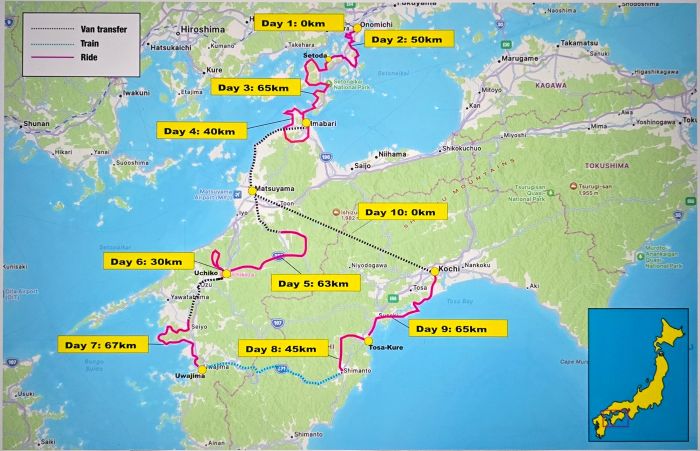
The upcoming cycling days...
 |
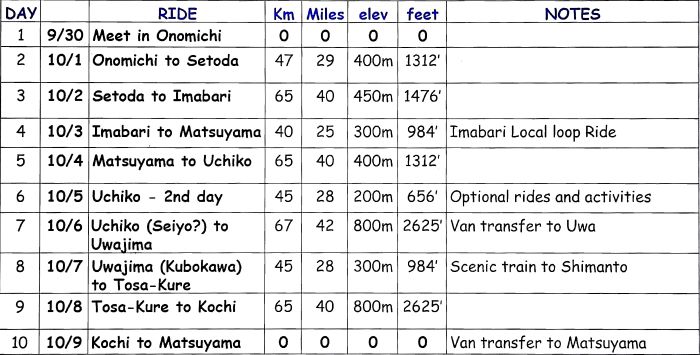 |
Wednesday, September 30th - Day 1: Meet in Onomichi - Cycling distance 0km
Thursday, October 1st - Day 2: Onomichi to Setoda - Cycle distance: 50km/400m
Friday, October 2nd - Day 3: Setoda to Imabari - Cycling distance: 65km/450m
Saturday, October 3rd - Day 4: Imabari to Matsuyama - Cycling distance: up to 40km/300m
Sunday, October 4th - Day 5: Matsuyama to Uchiko - Cycling distance: 63km/400m
Monday, October 5th - Day 6: A rest day in Uchiko - Cycling Distance: 45km (optional)
Tuesday, October 6th - Day 7: Uchiko (Seiyo) to Uwajima - Cycling distance: 58km /800m
Wednesday, October 7th - Day 8: Uwajima to Tosa-Kure - Cycle distance: 45km/400m
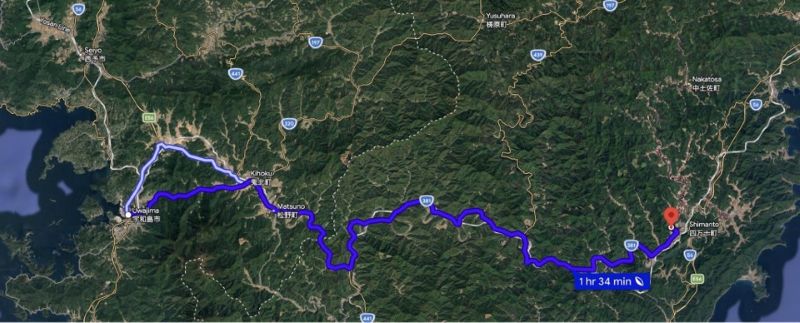 |
Thursday, October 8th - Day 9: Tosa-Kure to Kochi - Cycle distance: 63km/800m
Friday, October 9th - Day 10: Kochi to Matsuyama - Cycle distance: 0km
And then, ferry time to Hiroshima and hotel.
October 10th
*** Saturday, October 10 @ 10:00 AM
Peaceful Hiroshima & Miyajima UNESCO 1 Day Bus Tour
Meeting point:
Shinkansen Ticket Gate, Hiroshima, Japan.
In front of Shinkansen Ticket Gate on 2F At Hiroshima station (North Gate) the address is: 2-37 Matsubaracho, Minami-ku, HIroshima-shi. ※※※Please check-in with our staff
having a green and white flag says Japan Panoramic Tours.
Hiroshima Castle.
- This castle was originally built in 1589
Hiroshima Peace Memorial Park.
- commemorates the victims of the atomic bombing on August 6, 1945.
The park houses significant monuments, including the Atomic Bomb Dome, a UNESCO World Heritage site, and the Peace Memorial Museum, which educates visitors about the bombing’s impact.
The park promotes peace and global awareness, with events such as the annual Peace Memorial Ceremony. It stands as a symbol of hope for a world free of nuclear weapons.
Atomic Bomb Dome.
- located in Hiroshima, Japan, is a preserved ruin of the Hiroshima Prefectural Industrial Promotion Hall, which was near the epicenter of the atomic bombing
on August 6, 1945. The building’s skeletal structure, with its distinctive dome, remains as a poignant symbol of the devastation caused by nuclear warfare. It was designated a
UNESCO World Heritage site in 1996, serving as a reminder of the horrors of war and a call for global peace and the abolition of nuclear weapons.
Hiroshima Peace Memorial Museum
Hiroshima Peace Memorial Museum.
- It was opened to the public since 1954, there are over 50 pieces peaceful monuments. The museum features exhibits with personal stories,
photographs, and artifacts that depict the horrors experienced by survivors. It also emphasizes the importance of peace and the abolition of nuclear weapons. The museum serves
as a powerful reminder of the need for global peace and the prevention of future nuclear conflict.
...some information about
Miyajima.
October 11th
October 12
Time to get ready to return home. Plans include bullet train back to Osaka (not sure what we will be doing on the way) before catching our flight, which leaves Osaka at 4:55 PM today. Eleven hours (more or less) later, we will be landing in San Francisco at 11:00, TODAY! Catching up on lost time from flight to Japan.